


The cultural significance of gambling in modern society
The Historical Context of Gambling
Gambling has a rich history that dates back thousands of years, playing a pivotal role in the cultural narratives of various societies. Ancient civilizations, such as the Chinese and Romans, engaged in games of chance that were often tied to rituals and social gatherings. This historical backdrop demonstrates that gambling is not merely a modern pastime but rather an enduring aspect of human behavior that reflects societal values and norms. For further insights, visit https://www.rdcr.in/, where you can explore strategies for game selection.
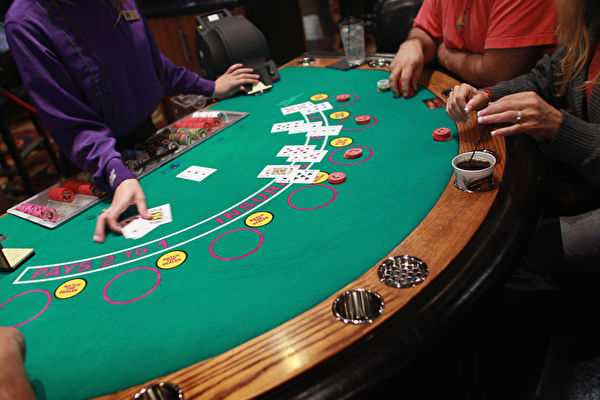
As societies evolved, so too did the nature of gambling. From simple dice games to elaborate betting systems, the evolution of gambling has mirrored advancements in technology and shifts in social dynamics. Today, it encompasses a wide range of activities, from traditional casinos to online gaming platforms, indicating its adaptability and significance in contemporary life.
Gambling as a Social Activity
In modern society, gambling often serves as a social lubricant, bringing people together in both celebratory and communal settings. Whether it’s a friendly poker night or a night out at a casino, gambling creates opportunities for interaction and bonding. This social aspect is particularly evident in regions where gambling is legalized and integrated into local culture, fostering a sense of community and shared experience.
Moreover, gambling events, such as sports betting or lottery draws, can unite individuals around a common interest. The excitement and anticipation surrounding these activities encourage camaraderie among participants, reinforcing social ties and enhancing the cultural fabric of communities.
The Economic Impact of Gambling
The economic significance of gambling in modern society cannot be understated. It generates substantial revenue through taxes, creating jobs and stimulating local economies. In many regions, legalized gambling has led to the development of infrastructure, such as hotels and entertainment venues, which further contribute to economic growth.
However, the economic benefits come with complexities, including concerns about gambling addiction and its societal impacts. Policymakers must balance the economic advantages of gambling with the potential risks, striving to create a regulated environment that maximizes benefits while minimizing harm.
Cultural Representation in Media
Gambling has long been a prominent theme in various forms of media, from literature to film and television. These portrayals often reflect societal attitudes toward risk, reward, and morality. Movies that feature high-stakes gambling or depict the lifestyle associated with it contribute to the cultural narrative surrounding gambling, influencing public perception and behavior.
This representation also serves as a double-edged sword; while it can glamorize gambling, it can also reinforce negative stereotypes, particularly concerning addiction and loss. As media continues to evolve, the portrayal of gambling remains a critical aspect of understanding its cultural significance in modern society.

Enhancing Your Gambling Experience
For those looking to engage with gambling, understanding its cultural significance can enhance the overall experience. Websites dedicated to providing insights into various games, strategies, and responsible gaming practices can guide players in making informed choices. By focusing on enjoyment and responsible gambling, individuals can partake in this cultural phenomenon without succumbing to its potential pitfalls.
In addition, as the gambling landscape continues to evolve with technology, platforms offering real-time gaming experiences, bonuses, and detailed insights into gameplay ensure that participants can maximize their enjoyment while minimizing risks. Embracing this dynamic environment allows players to engage in gambling as a cultural activity that is both enjoyable and sustainable.